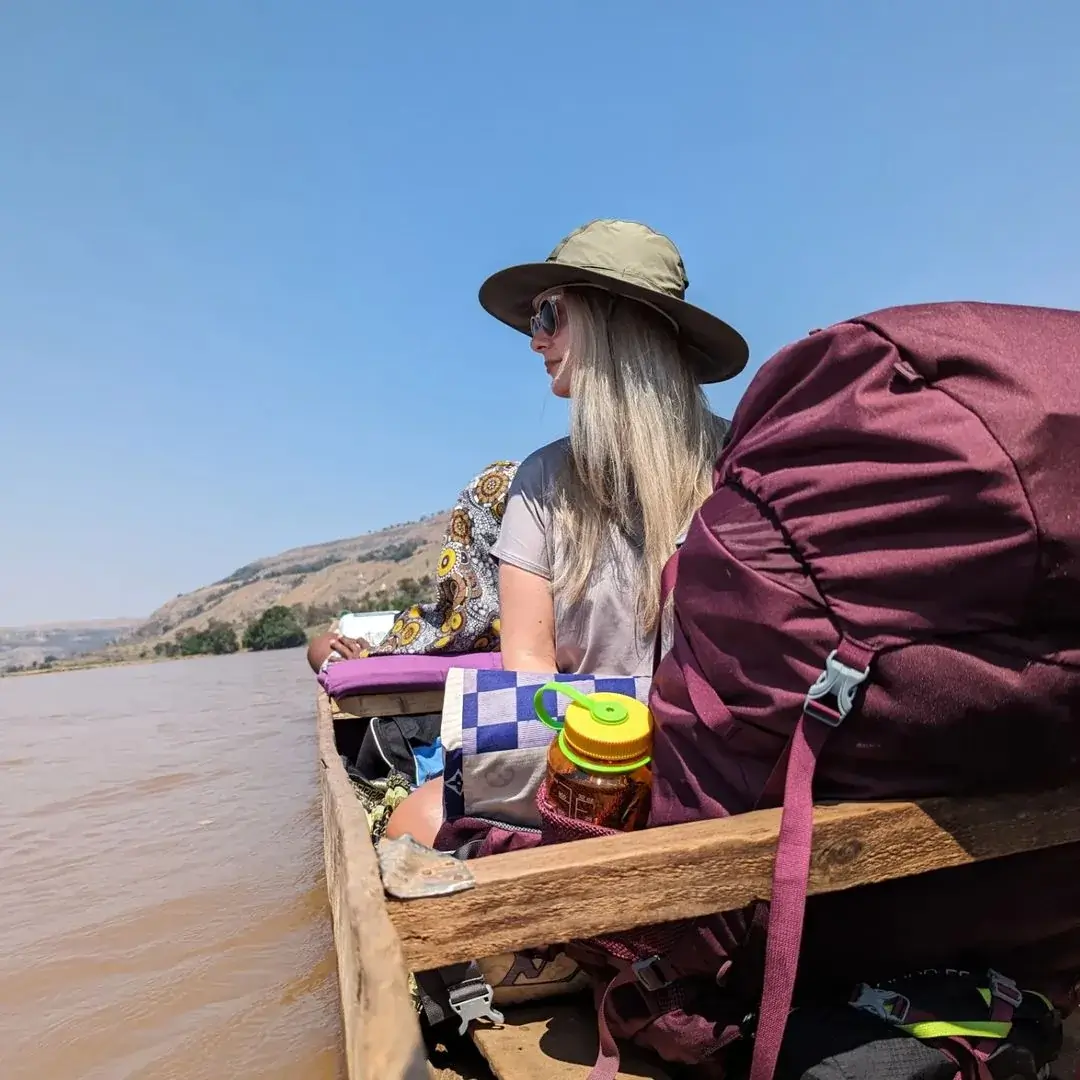
Is Madagascar Worth Visiting ? An Honest Answer
Yes — Madagascar is worth visiting. But it's worth visiting for reasons most travel guides never get around to mentioning, and it's genuinely the wrong trip for some people. Both halves of that sentence matter, so this guide covers both.
If you've already searched this question, you've read the same three arguments a dozen times: lemurs, baobabs, beaches. All true. All incomplete. What almost nobody tells you is what travellers actually talk about once they're home — the evening they spent in somebody's kitchen, the man who played them an instrument they'd never heard of, the market town where nobody was selling them anything.
Here's the honest version: what makes this island genuinely unlike anywhere else, what's harder here than you might expect, and how to tell whether it's the right trip for you specifically.
What actually makes Madagascar different
Madagascar split from the African mainland roughly 160 million years ago, and from the Indian subcontinent around 88 million years ago. Everything that happened biologically afterward happened in isolation. The result is one of the most concentrated pockets of endemic life on the planet.
Around 90% of Madagascar's wildlife exists nowhere else on Earth, according to WWF. That's not a marketing figure — it's why biologists describe the island as effectively a separate continent.
More than 100 species and subspecies of lemur live here, and only here. They range from the indri, roughly the size of a small child, which sings in the morning, to the mouse lemur, which fits in a cupped palm.
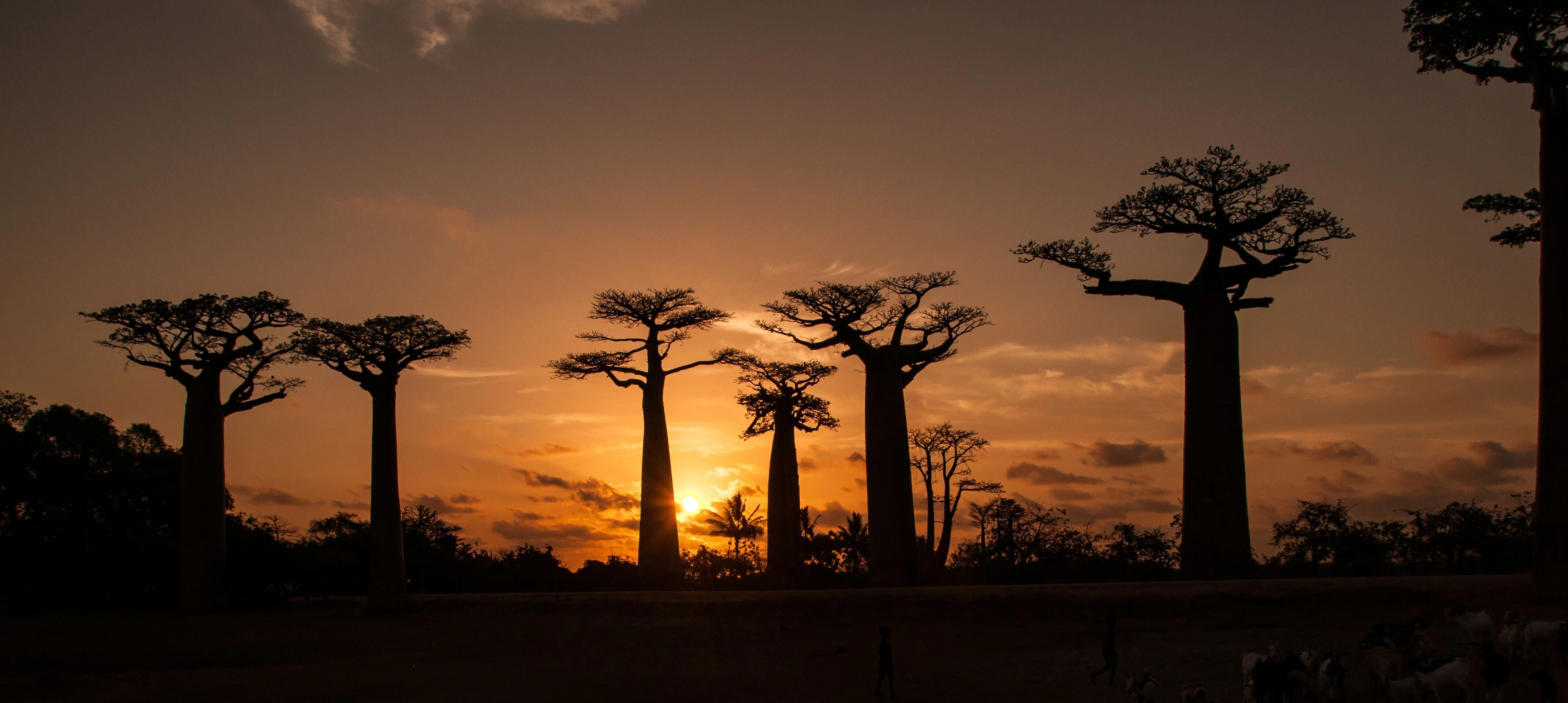
Six of the world's nine baobab species grow only in Madagascar. The single species most people picture from mainland Africa is actually the outlier.
Roughly half the world's chameleon species are Malagasy, including Brookesia, among the smallest reptiles on Earth.
But here's the part that gets left out. The same isolation shaped the people. Madagascar was settled by seafarers from Borneo who crossed the Indian Ocean roughly 1,200 to 1,500 years ago, later joined by East African, Arab and Indian arrivals. The Malagasy language is Austronesian — its closest relatives are spoken in Indonesia, not in Africa. The result is a culture that genuinely resembles nowhere else, sitting 400 kilometres off the coast of Mozambique.
That combination — a biologically unique island with a culturally unique population, and comparatively few visitors — is the real answer to why it's worth going.
The wildlife case: where you actually see what
"Madagascar has lemurs" is true but useless for planning. Different regions hold different species, and knowing which is which is the difference between a good wildlife day and a disappointing one.
Andasibe-Mantadia, roughly three hours east of Antananarivo, is the most reliable place to see and hear indri, the largest living lemur. Their calls carry over a kilometre through the rainforest. It's also the easiest wildlife stop to reach from the capital.
Ranomafana, in the eastern rainforest along the RN7 route south, is home to the golden bamboo lemur — a species only described by science in 1986, a discovery that led directly to the park's creation. Dense forest, steep trails, excellent local guides.
Isalo National Park, further south, is less about dense wildlife and more about landscape: sandstone canyons, natural swimming pools, and ring-tailed lemurs in open terrain where they're easy to observe.
Tsingy de Bemaraha, a UNESCO World Heritage site in the west, is the limestone pinnacle forest — spectacular, and genuinely hard to reach, which is why it belongs on a longer itinerary rather than a first two-week trip.
Ifaty and the southwest coast offer spiny forest, baobabs and reef diving, usually as the closing stretch of an RN7 itinerary.
One honest caveat: this is not East African game viewing. There is no Big Five here, no open savanna with herds visible from a vehicle. Madagascar's wildlife is smaller, more elusive, and mostly seen on foot with a local park guide. Travellers expecting a Kenyan-style safari are usually the ones who come home disappointed — not because the wildlife isn't extraordinary, but because they were picturing something else entirely.
The cultural case: the part nobody writes about
This is where Madagascar earns the trip, and it's almost entirely missing from other guides.
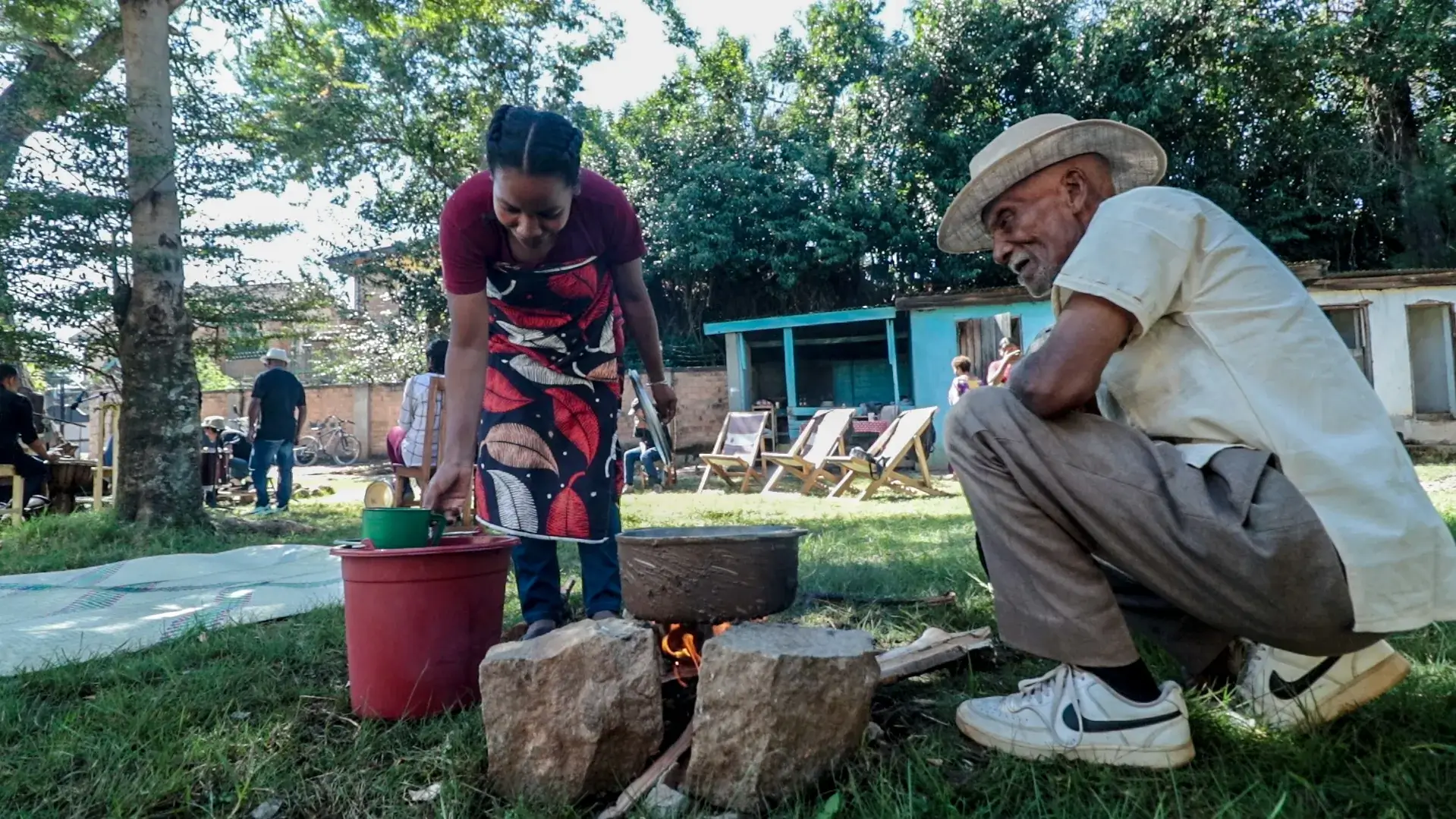
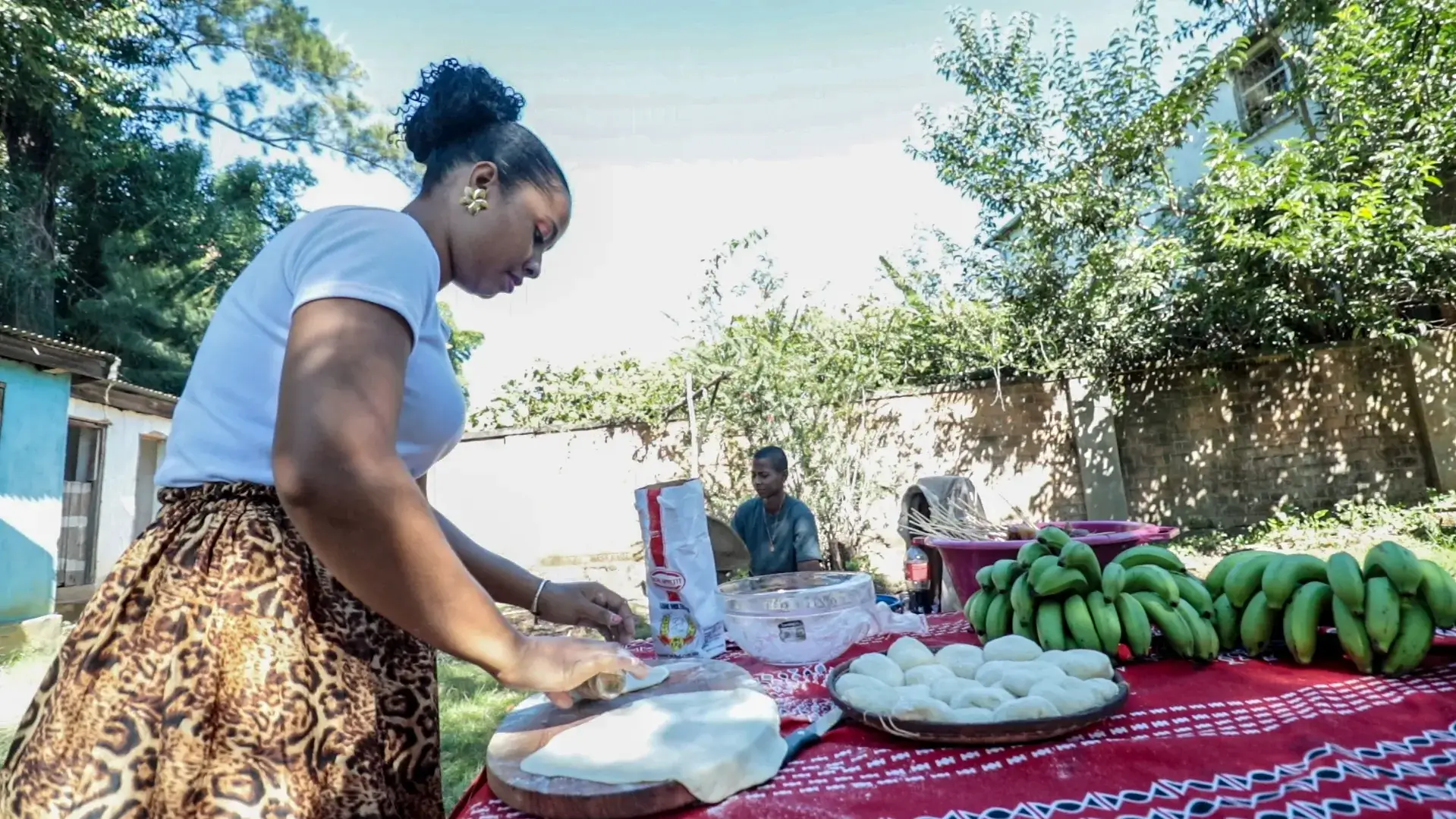
Homestays are real, not staged. Because tourism infrastructure is thin, the industry that turns village life into a scheduled performance hasn't fully arrived. A homestay here means a family's actual kitchen, their actual evening meal, their actual routine — with a guest folded in for a few hours. You'll eat rice, because rice is what Malagasy families eat, usually twice a day.
Fihavanana shapes everything. It's the principle that a guest is never fully a stranger — just someone temporarily far from their own family, to be folded into yours. You'll notice it before anyone explains it: an extra place set without being asked, a driver-guide stopping to introduce you to his own relatives along the route.
The music is unlike anything else. The valiha, Madagascar's national instrument, is a tube zither built from bamboo and strung with fine wire, plucked with the fingers. It doesn't sound African, and it doesn't sound Indonesian, though it descends from Southeast Asian instruments. Hearing it played in a living room by someone who learned from a parent is a different experience entirely from a hotel performance.
Famadihana is real, and it isn't a tourist attraction. The "turning of the bones" is a reburial ceremony practised by Merina and Betsileo families: a relative's remains are exhumed, rewrapped in fresh silk, and carried in a joyful procession before returning to the tomb. By tradition it happens only in the dry season, roughly June to September, in the Highlands. Families often welcome respectful visitors, but it's never bookable — it happens through a genuine local relationship or not at all.
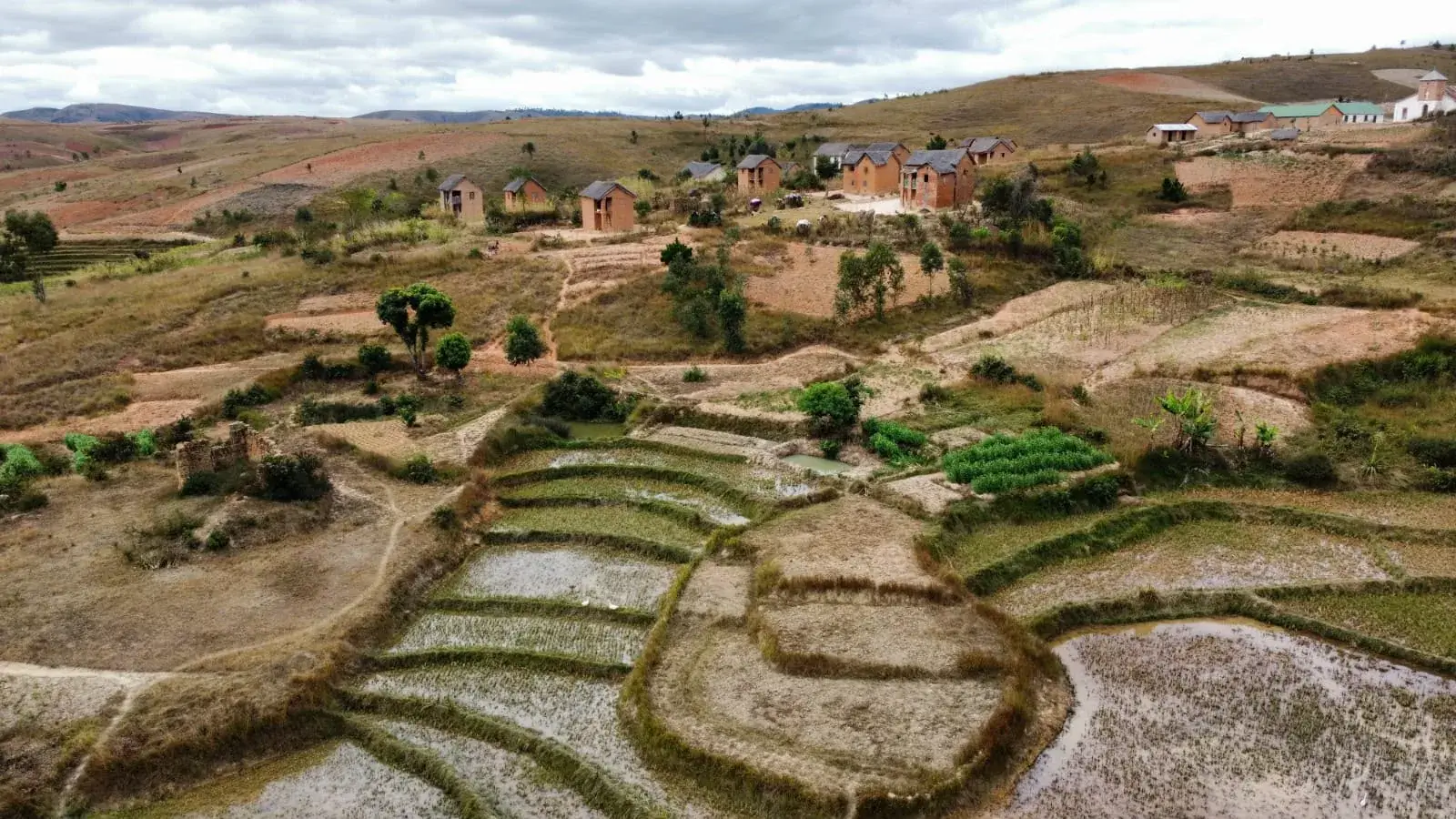
Markets run on their own calendar. Market days in Highland towns like Antsirabe and Ambalavao are working markets, not craft fairs for visitors. Timing a drive to pass through on the right day is one of the easiest ways to see ordinary Malagasy life without intruding on it.
The crowd factor, which matters more than it sounds
Madagascar is the world's fourth-largest island — around 587,000 square kilometres, slightly larger than mainland France. It looks small on a world map because of projection distortion near the equator, but it isn't.
It also receives a small fraction of the annual visitors that Kenya, Tanzania or Costa Rica do. In practical terms:
You can watch sunrise at a famous landscape without a queue forming behind you.
Park trails are often quiet enough to hear the forest rather than other groups.
Village encounters aren't pre-arranged transactions, because there isn't yet the volume of tourists to build that industry around.
Prices haven't inflated to match international expectations, particularly outside the capital.
If you've ever had an "authentic experience" flattened by fifty other people holding the same guidebook page, this difference is not a small one.
What's genuinely hard about Madagascar
An honest answer has to include the parts that don't sell.
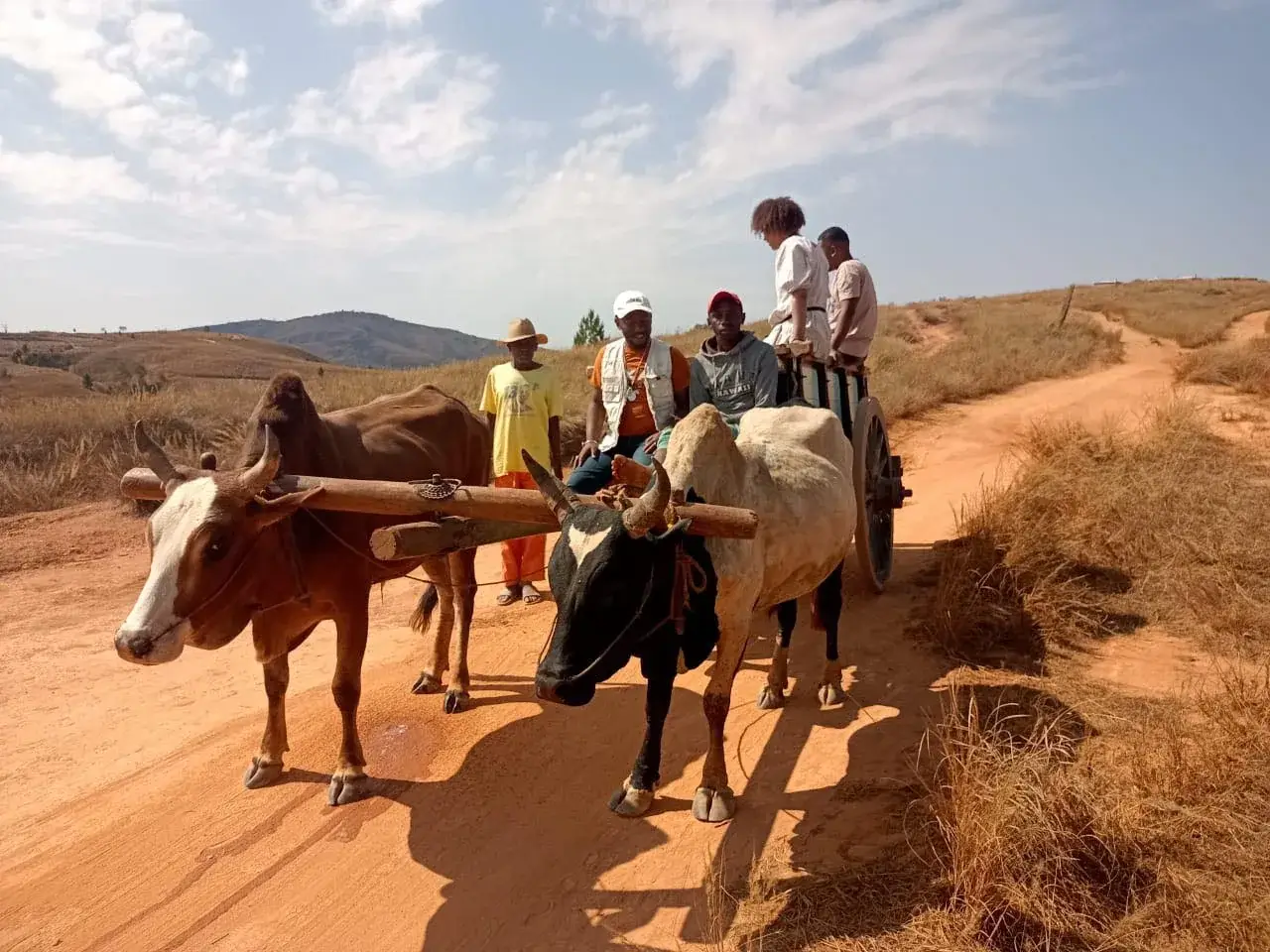
The roads are slow. Much of the network outside the capital is unpaved or poorly maintained. A distance that looks like three hours on a map can take seven. This should shape your itinerary from the start — fewer regions, longer stays — rather than being discovered on day four.
There's no direct flight. From the US, total transit typically runs 23 to 29 hours with at least one connection. From the UK, closer to 13 to 17 hours. That makes Madagascar a poor choice for a short trip and a strong one for ten days or more.
Infrastructure is inconsistent. Hot water, reliable electricity and Wi-Fi can't be assumed outside main hubs. Power cuts are normal. Bring a portable charger.
Health prep is required, not optional. Malaria risk exists across most of the country, and medical facilities outside Antananarivo are limited. The CDC's Madagascar travel health page is the right starting point, and insurance with medical evacuation cover genuinely matters here.
You need to check current conditions. Madagascar went through political unrest in late 2025, followed by a transitional government and a period multiple governments now describe as calm. The current US advisory sits at Level 2 — the same tier as many popular destinations — but a few specific regions carry higher risk, none of which sit on the standard RN7 route. Check your government's current advisory close to departure, and travel with a local team who knows the situation on the ground rather than relying on a blog post written months ago.
None of this makes Madagascar not worth visiting. It makes it worth visiting for a particular kind of traveller.
Who Madagascar is genuinely right for
Travellers who've already done a conventional safari and want something that isn't a repeat with different scenery.
People who'd rather spend an evening in a family's home than at a resort buffet.
Anyone with 10 days or more, since transit time and internal distances punish short trips.
Travellers comfortable when a plan shifts — a longer drive, an unexpected meal, a village with no signal.
Naturalists, birders and photographers drawn to endemic species rather than big game.
People who care where their money goes, since a locally guided trip channels spending toward Malagasy families and communities rather than foreign-owned chains.
Who should probably choose somewhere else
Anyone hoping for a Big Five safari — that's East Africa, and Madagascar will disappoint by comparison.
Travellers who need reliable comfort and a fixed schedule with no surprises.
Anyone with less than about a week of actual ground time once flights are accounted for.
Beach-first travellers looking purely to unwind, who'd likely be happier and pay less in Mauritius or the Seychelles.
Families needing extensive medical infrastructure close at hand.
There's no shame in any of these. Madagascar being wrong for one trip doesn't make it wrong forever — plenty of travellers come first for the wildlife and return later for the culture.
How it compares to the alternatives
Most people asking whether Madagascar is worth visiting are quietly comparing it to somewhere specific. Naming that comparison helps.
Against Kenya or Tanzania: loses on big game and lodge polish, wins on endemic species, lower crowds and cost per day.
Against Mauritius or the Seychelles: loses on resort comfort and ease, wins on cultural depth, landscape variety and value.
Against Vietnam or Sri Lanka: loses on tourism infrastructure and internal transport, wins on how unfiltered encounters still feel.
Against a European city break: not remotely the same category of trip, and shouldn't be judged as one.
None of these make Madagascar objectively better. They make it a different answer to a different question.
Where your money actually goes
This matters more here than in most destinations, because the margins are thin and the infrastructure is local.
National park entrance fees fund conservation work and are shared with surrounding communities, which is a large part of why parks like Ranomafana exist at all. Local park guides are mandatory at most reserves — that's not an upsell, it's a deliberate employment structure. Homestay payments go directly to the host family. A locally owned operator keeps driver-guide wages, vehicle costs and accommodation spending inside the country, whereas a foreign-booked package can route a substantial share of the total offshore before it ever reaches Madagascar.
If you'd rather your trip supported the people hosting it, this is one of the destinations where that choice makes a measurable difference.
What a culture-first trip actually looks like
If you decide the answer is yes, the version that most consistently earns the "worth it" verdict looks something like this:
An evening homestay in Antananarivo on arrival, rather than a hotel dinner after 24 hours of flying.
The RN7 corridor south — Antsirabe, Ambositra, Ranomafana, Ambalavao, Isalo — with at least one full day at each stop.
A market day timed deliberately, not stumbled into.
An afternoon with a musician in a home rather than a folkloric show in a hotel lobby.
A closing stretch on the coast at Ifaty, then a domestic flight back north rather than retracing 700 kilometres by road.
That's roughly a 13-day shape. You can see how we sequence these routes, and what the alternatives look like with more or less time, on our Madagascar tours page.
A practical gut-check before you book
Run through these honestly:
Do you have at least 10 days, including transit? If the real answer is five, wait for a trip that fits.
Are you fine with a day going sideways? Here that's normal, not a failure.
Would you rather spend an afternoon in a museum or in someone's home? Madagascar rewards the second answer.
Are you travelling to relax, or to be changed a bit? Both are legitimate. Only one of them describes this trip.
If most of your answers point toward time, flexibility and curiosity — yes, it's worth it, and probably more than you're expecting.
Frequently asked questions
Is Madagascar worth visiting if I've already been to Kenya or Tanzania?
Arguably more so, because it isn't a repeat. You'll trade big game for endemic species found nowhere else, and safari lodges for homestays and Highland villages. Travellers who go expecting a second safari are the ones who leave underwhelmed.
Is Madagascar worth visiting if I'm not that interested in wildlife?
Yes. Wildlife draws most people in, but the culture — homestays, music, markets, fihavanana — is what most travellers name as the highlight afterward.
How many days do you need for Madagascar to be worth the trip?
At least 10, ideally 13 or more. Given 20-plus hours of transit each way and slow internal roads, shorter trips spend a disproportionate share of the time simply getting places.
Is Madagascar expensive?
Less than most people expect on the ground. Guided trips typically run around 150 to 300 US dollars per person per day depending on group size and season, though international flights are a significant fixed cost given the lack of direct routes.
When is the best time to go?
The dry season, roughly April to November, is when road-based itineraries run smoothly. June to September also overlaps with the famadihana window in the Highlands, which matters if cultural access is a priority for you.
Is Madagascar safe to visit right now?
Current advisories from several governments describe the situation as calm following the 2025 political transition, with the US rating it Level 2. A few specific regions carry higher risk, and none of them sit on the standard RN7 route.