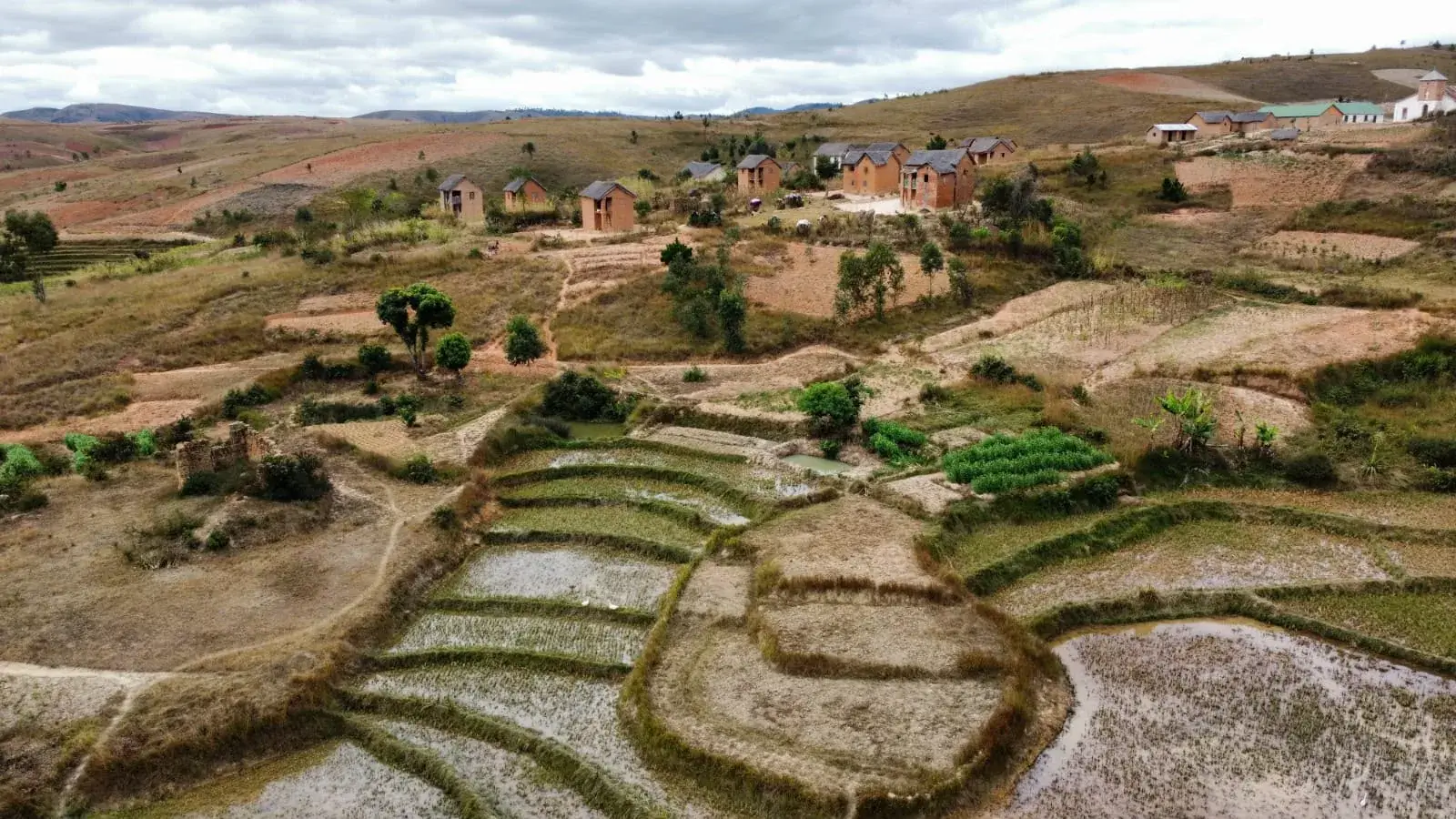
The best time to visit Madagascar is between April and November, the dry season, with May to October the most reliable window for a road-based trip. But that's the answer to a weather question, and weather isn't the only thing worth planning around.
Almost every guide to this question gives you rainfall averages and stops. What they leave out is that Madagascar's most distinctive experiences — the reburial ceremonies in the Highlands, the music festivals, the rice harvest, the whale migration — each have their own window, and those windows don't all overlap. Choosing your month is really choosing which version of the country you get.
Here's the weather first, then the calendar nobody publishes.
The two seasons, briefly
Dry season: roughly April to November. Cooler, clearer, and reliable for driving. Highland nights can drop close to freezing in June and July, especially around Antsirabe and Ambositra, which surprises people who packed for a tropical island. Days are pleasant. Roads are passable. This is the standard travel window and there's a good reason for it.
Wet season: roughly November to April. Hot, humid, and increasingly wet toward the peak in January and February. This is also cyclone season, mainly affecting the east and north coasts. Some parks and lodges close entirely. Unpaved roads become impassable, which takes the Tsingy de Bemaraha off the table completely.
A useful nuance: the island is large enough that these seasons don't behave identically everywhere. The southwest around Toliara is semi-arid and receives little rain even in the wet months. The east coast around Sainte-Marie is wet at some level almost year-round. The Highlands sit in between and are the most seasonally predictable part of the country.
Month by month
January and February. Peak wet season and peak cyclone risk. Heavy rain, high humidity, disrupted transport. Some lodges close. Landscapes are at their greenest and prices at their lowest, but this is the hardest time to actually move around the country. Not recommended for a first trip.
March. The rain begins to ease late in the month, though cyclones remain possible. Alahamady Be, the Malagasy new year, falls around this time and is marked in the Highlands with family gatherings and offerings. Transitional and unpredictable — worth it only if you have a specific reason.
April. The start of the dry season and one of the most underrated months. The landscape is still green from the rains, the roads are drying out, and visitor numbers are low. Some remote unpaved routes may still be marginal early in the month. Excellent value.
May. Reliable weather, green landscapes, comfortable temperatures, and well before the July–August crowd. If you want one recommendation for a first trip, this is a strong candidate. Late May often coincides with the Donia festival on Nosy Be, a multi-day music event drawing musicians from across the Indian Ocean.
June. Dry, clear, and cool at altitude. The famadihana window opens in the Highlands. Independence Day falls on 26 June and is celebrated nationwide — expect processions, music and closed businesses around the date. Lemur births begin in some species.
July. High season begins. Coldest month in the Highlands, with genuinely cold nights. Humpback whales start arriving off Île Sainte-Marie and the east coast. Famadihana ceremonies continue. Book accommodation and domestic flights well ahead.
August. Peak season, peak whale watching, peak famadihana. Also peak prices and the busiest the parks ever get, which by international standards is still quiet. Excellent conditions across the board. The month to choose if you want everything at once and don't mind paying for it.
September. Arguably the single best month. Whales still present into early September, famadihana season closing, weather warming from the winter low, jacaranda and flame trees starting to flower, and the August crowds thinning. Wildlife activity increases as temperatures rise.
October. Warm, dry, and superb for wildlife — lemur infants are visible, reptiles are active, and orchids flower in the eastern rainforest. Jacarandas bloom purple across Antananarivo. One of the best months for photography.
November. The last comfortable dry-season month, warming noticeably. Wildlife activity is high. Rains typically begin toward the end of the month. Good value as prices soften ahead of the wet season.
December. Hot and increasingly wet, with cyclone risk returning. There's a short holiday high season around Christmas and New Year driven by domestic and regional travel. Coastal areas remain feasible; overland routes become less so.
The cultural calendar most guides skip
This is where timing stops being about comfort and starts being about access.
Famadihana, roughly June to September. The Highland reburial ceremony — remains exhumed, rewrapped in fresh silk, carried in procession with music before returning to the tomb. It is a joyful family occasion, not a solemn one. It is also never bookable and never scheduled for visitors. Families sometimes welcome respectful guests, and that happens through a genuine local relationship. Travelling in the window is the precondition, not the guarantee.
Alahamady Be, around March. The Malagasy new year in the traditional lunar calendar, observed mainly in the Highlands with family gatherings and offerings.
Donia, typically late May or early June, Nosy Be. The island's best-known music festival, drawing performers from across the Indian Ocean region. Dates shift year to year, so confirm before building a trip around it.
Independence Day, 26 June. Processions, lantern parades the night before in some towns, music and closures nationwide.
Santabary, around April and May. The first rice harvest of the year, marked in Highland communities. Less a festival than a season, and a good time to see agricultural life at full activity.
Market days, year-round. Antsirabe and Ambalavao run large working markets on fixed weekdays. Timing a drive to pass through on the right day costs nothing and changes the day entirely.
None of these are ticketed events with a schedule you can book from abroad. They're the reason a route planned by someone living in the country looks different from one planned from a spreadsheet.
Best time for specific interests
Wildlife and lemurs: September to November. Warmer temperatures increase activity, and lemur infants are visible from roughly July onward depending on the species.
Whale watching: July to early September off Île Sainte-Marie and the east coast, when humpbacks migrate to breed.
Reptiles and amphibians: November to March, the warm and wet months, when chameleons and frogs are most active — though travel logistics are harder.
Birding: September to December, covering the breeding season and the arrival of migrants.
Diving and snorkelling: May to November on the southwest coast around Ifaty and Anakao, with the clearest water.
Hiking and trekking: May to September, when it's cool enough at altitude for long days on foot.
Tsingy de Bemaraha: May to October only. The park closes in the rainy season and the access road becomes impassable.
Cultural depth and ceremonies: June to September, the famadihana window.
Value and quiet: April, May and November — dry-season conditions without high-season pricing.
Regional differences that change the answer
The Highlands (Antananarivo, Antsirabe, Fianarantsoa) are the most seasonally reliable and the coldest at night in June and July. Bring a warm layer regardless of what the words "tropical island" suggest.
The east coast (Andasibe, Sainte-Marie, Masoala) is the wettest part of the country and can rain in any month. The rainforest is a rainforest. September and October are the driest realistic window.
The southwest (Toliara, Ifaty, Anakao) is semi-arid and pleasant almost year-round, with hot days from November to March.
The west (Morondava, Tsingy de Bemaraha) is strictly a dry-season destination. Outside May to October, access becomes the deciding factor rather than comfort.
The north (Diego Suarez, Nosy Be) has a shorter, sharper wet season, with December to March the wettest and windiest stretch.
Current park opening dates and access conditions are published by Madagascar National Parks.
How season affects cost
High season, July to September: highest accommodation and domestic flight prices, and the period where booking three to six months ahead genuinely matters.
Shoulder, April to June and October to November: noticeably better value with conditions that are still very good. This is where the informed traveller usually lands.
Low season, December to March: lowest prices, most closures, least reliable transport. The saving is real and so is the compromise.
So which month should you choose?
If you want a single recommendation for a first trip: September. Reliable weather, high wildlife activity, the tail of whale season, the close of the famadihana window, and the August crowds already thinning.
If value matters more than a full calendar of events: May or November. If wildlife photography is the priority: October. If you're building the trip around cultural access above all: July or August, and start the conversation with your operator early, because that access depends on relationships rather than availability.
You can see how we build routes around these windows on our Madagascar tours page.
Frequently asked questions
What is the best month to visit Madagascar?
September is the strongest all-round choice: reliable dry weather, high wildlife activity, the end of whale season and of the famadihana window, and fewer visitors than August. May and October are close behind and offer better value.
What is the worst time to visit Madagascar?
January and February. Peak rain, peak cyclone risk, closed lodges and impassable roads. Landscapes are beautiful and prices are low, but moving around the country is genuinely difficult.
When is cyclone season in Madagascar?
Roughly November to April, with the highest risk in January and February, mainly affecting the east and north coasts. Storms are forecast in advance and the usual impact on travellers is a disrupted itinerary rather than danger.
When can you see whales in Madagascar?
Humpback whales migrate past Île Sainte-Marie and the east coast from around July to early September, with August the most reliable month.
When does famadihana take place?
By tradition in the dry season, roughly June to September, among Merina and Betsileo families in the Highlands. It is never scheduled for visitors and cannot be booked — attendance depends on a genuine local invitation.
Is Madagascar cold in winter?
In the Highlands, yes. June and July nights around Antsirabe and Ambositra can approach freezing, and many guesthouses have no heating. Coastal areas stay warm year-round.
Can I visit Tsingy de Bemaraha in the rainy season?
No. The park closes and the access road from Morondava becomes impassable. Plan it between May and October or leave it for another trip.