Madagascar Itinerary: How Many Days Do You Really Need?
A workable Madagascar itinerary needs a minimum of 10 days on the ground, and 13 to 15 is where the trip stops feeling rushed. Anything shorter and you spend a disproportionate share of your holiday inside a vehicle.
That answer surprises people. Madagascar looks compact on a map. It isn't. It's the world's fourth-largest island, around 587,000 square kilometres — slightly larger than mainland France. Map projections shrink landmasses near the equator, which is why the scale rarely registers until you're driving it.
This guide gives you the honest version. How long you actually need, what a realistic route looks like day by day, which regions genuinely combine, and the planning mistakes that turn a good trip into a tiring one.
Why distances mislead here
Two factors decide the shape of every Madagascar itinerary, and neither of them shows up on a mapping app.
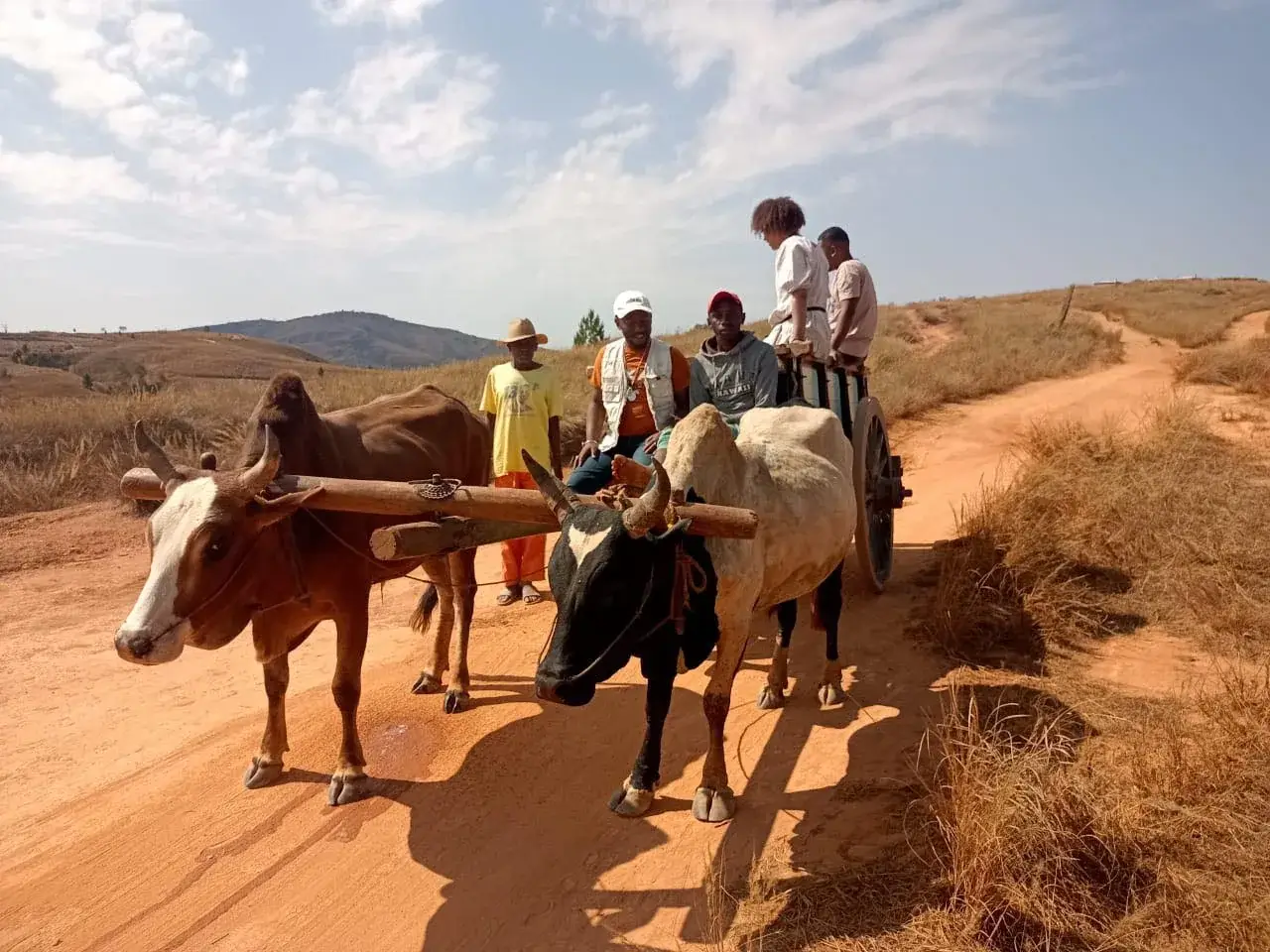
Road speed. Outside the main corridors, much of the network is unpaved or poorly maintained. Average driving speed on the paved RN7 sits closer to 50 km/h than 90. On secondary roads it can drop below 25. A 200-kilometre stretch that looks like a two-hour hop can take five or six.
Hub-and-spoke flights. Domestic aviation runs almost entirely through Antananarivo. There are very few direct regional connections. Flying from the far south to the far north generally means routing back through the capital, which eats a day.
The practical consequence is simple. Madagascar rewards depth over breadth. Two regions done properly beat four regions glimpsed.
How many days do you need? A straight answer by trip length
Here's what each length realistically buys you, counting ground days only — international transit is on top.
Under 7 days. Not recommended. With 20-plus hours of flying each way from the US, or 13 to 17 from the UK, a short trip means you land, drive, and leave. If this is all the time you have, consider a different destination and save Madagascar for when you can give it more.
7 to 9 days. One region only. Either the eastern rainforest around Andasibe plus the northern Highlands, or a fly-in to a single coastal area. Workable, but you'll leave knowing you saw a fragment.
10 to 12 days. The realistic minimum for a proper trip. Enough for a shortened RN7 run south with a domestic flight home, or for pairing the east coast rainforest with a Highlands stretch.
13 to 15 days. The sweet spot. The full RN7 corridor with a full day at each significant stop, a market day timed deliberately, and enough slack that one delayed morning doesn't collapse the schedule.
16 to 21 days. Now you can add a genuinely remote region — the Tsingy de Bemaraha and the western baobab country, or the far north around Diego Suarez.
21 days or more. Multi-region without compromise, including the harder-access parks like Masoala or Marojejy that need their own dedicated block of time.
If you take one thing from this list, take the 10-day floor. It's the single most common planning error we see.
The classic route: a 13-day RN7 itinerary
The RN7 is Madagascar's spine — the paved road running roughly 950 kilometres from Antananarivo south-west to Toliara (Tuléar) on the coast. It passes through Highland towns, eastern rainforest, granite massifs, sandstone canyons and spiny forest in sequence. No other route in the country delivers that much variety on one axis.
This is the shape that most consistently works.
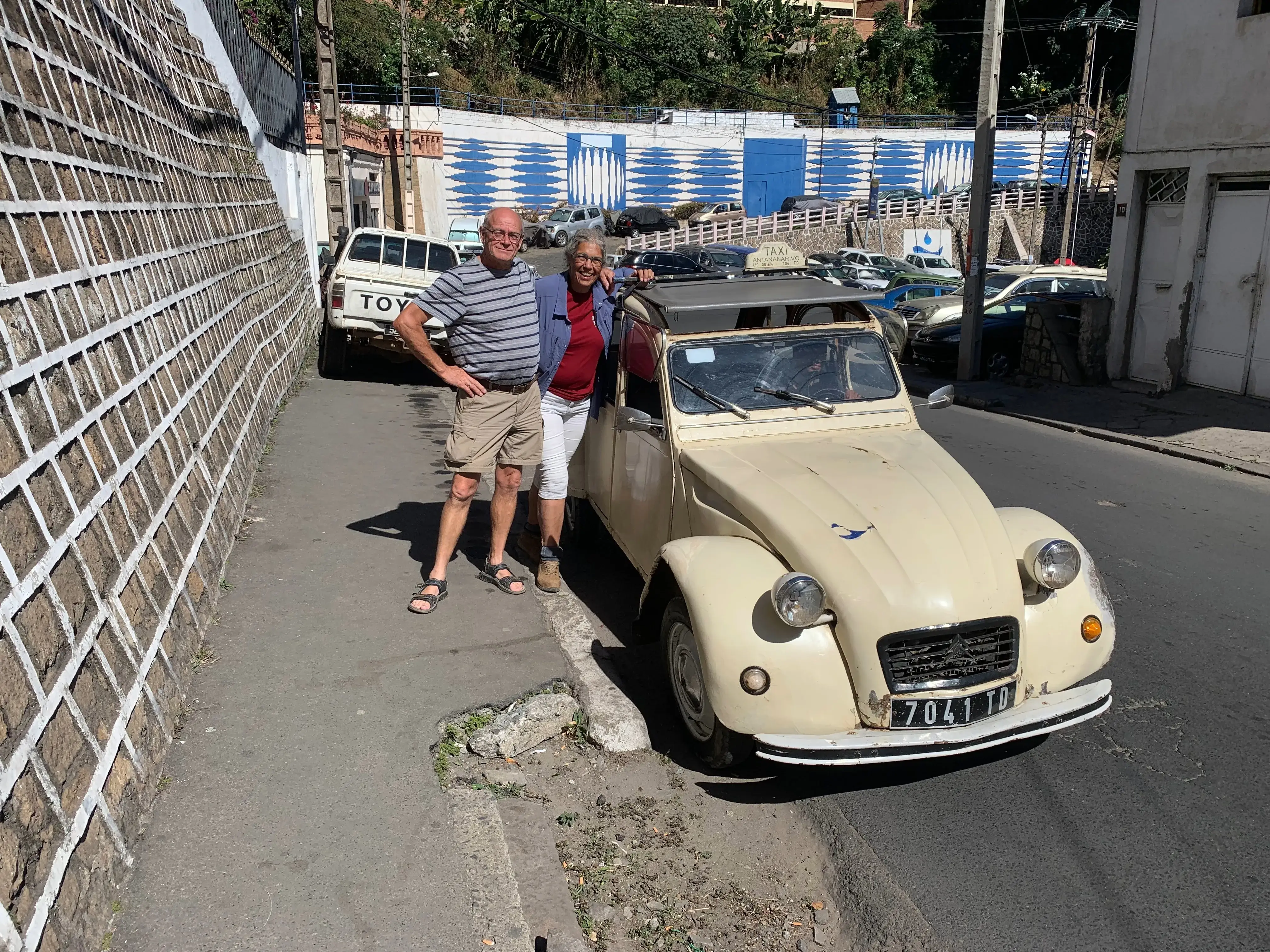
Day 1 — Arrival, Antananarivo. Land at Ivato, transfer into the city. Rather than a hotel dinner after a full day of flying, an evening homestay in Antananarivo itself puts you in a family's kitchen on night one. It resets the tone of the whole trip.
Day 2 — Antananarivo. The old upper town, the Rova hill, the Analakely market district. Half a day is enough for orientation, and the rest is recovery from the flight.
Day 3 — Antananarivo to Antsirabe. Around 170 kilometres, three to four hours. Antsirabe is a former colonial spa town full of pousse-pousse rickshaws, and it's the workshop capital of the Highlands — zebu-horn carving, aluminium casting from recycled metal, embroidery.
Day 4 — Antsirabe to Ambositra. A short leg, roughly 90 kilometres. Ambositra is the centre of Zafimaniry woodcarving, a craft tradition recognised by UNESCO. Short day by design: it leaves an afternoon free for workshops rather than windscreen time.
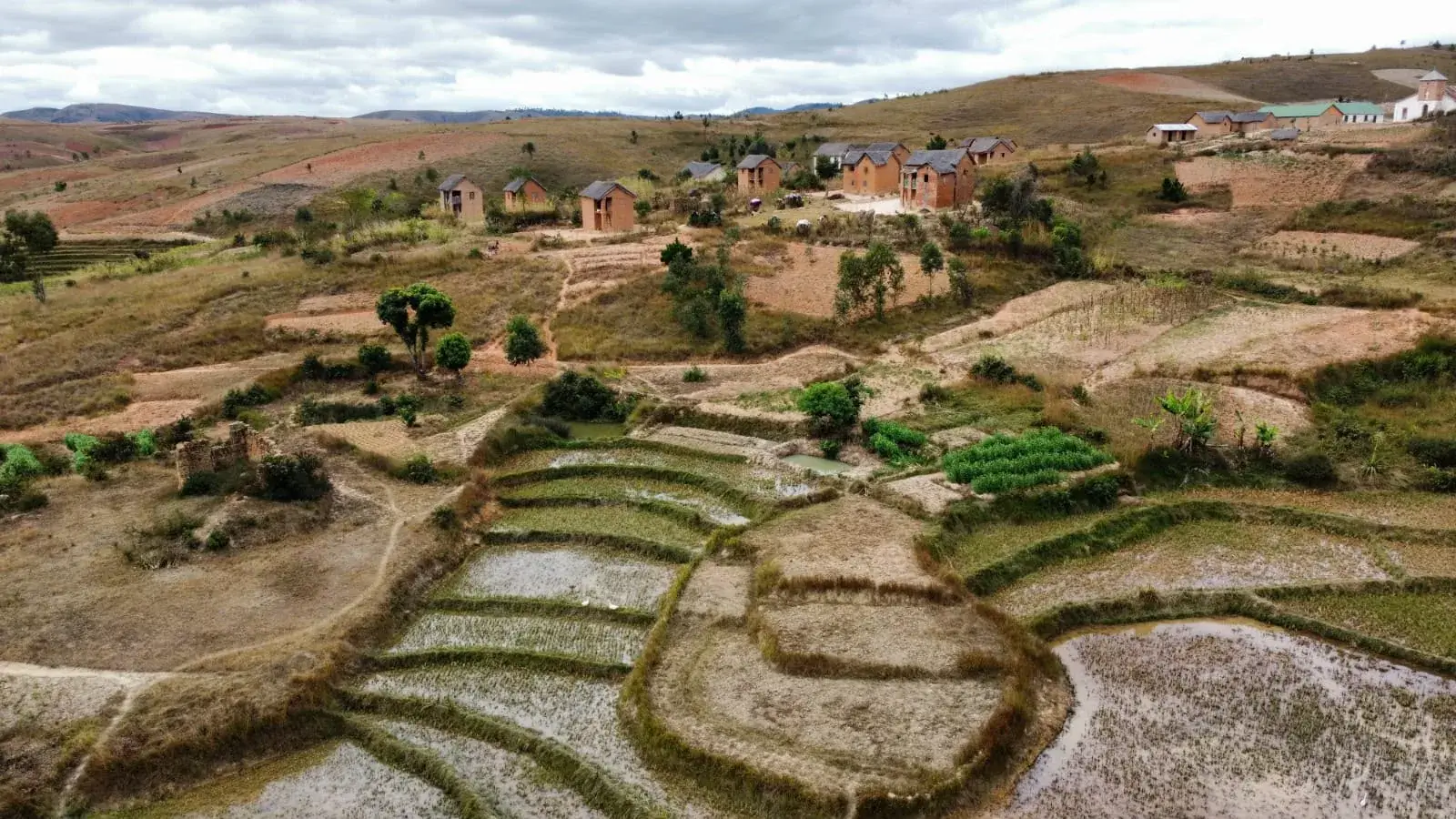
Day 5 — Ambositra to Ranomafana. The longest Highland leg, around 230 kilometres to Fianarantsoa and then east into the rainforest. The landscape changes visibly as you drop off the plateau.
Day 6 — Ranomafana National Park. A full day. This is where the golden bamboo lemur was described by science in 1986 — a discovery that led directly to the park's creation. Steep trails, dense forest, excellent local guides. Night walks here are worth the early alarm the next morning.
Day 7 — Fianarantsoa and Ambalavao. Back west, then south. Ambalavao holds one of the country's largest zebu markets and is home to Antemoro paper-making. Anja Reserve nearby is community-run and reliably good for ring-tailed lemurs.
Day 8 — Ambalavao to Isalo. Around 270 kilometres across the open plains, watching the vegetation thin out. Arrive at Ranohira in the late afternoon.
Day 9 — Isalo National Park. Sandstone canyons, natural swimming pools, ring-tailed lemurs in open terrain. Walks range from two hours to a full day depending on fitness.
Day 10 — Isalo to Toliara and Ifaty. Roughly 240 kilometres, through spiny forest and past the first coastal baobabs. Ifaty sits about 27 kilometres north of Toliara on the reef coast.
Day 11 — Ifaty. Reef snorkelling or diving, spiny forest walking, and the Vezo fishing villages where pirogues launch at first light.
Day 12 — Ifaty, then fly north. A domestic flight from Toliara back to Antananarivo takes roughly 1 hour 30 minutes. Driving the same distance would mean two full days retracing ground you've already covered. This is the single most valuable adjustment to the standard RN7 plan.
Day 13 — Antananarivo and departure. Time for handicraft shopping and a last meal before the evening flight out.
You can see how we sequence and adapt this route — including the shorter and longer variants — on our Madagascar tours page.
Building in the culture, not bolting it on
A route is only half an itinerary. The other half is timing, and that's what separates a memorable Madagascar trip from a competent one.
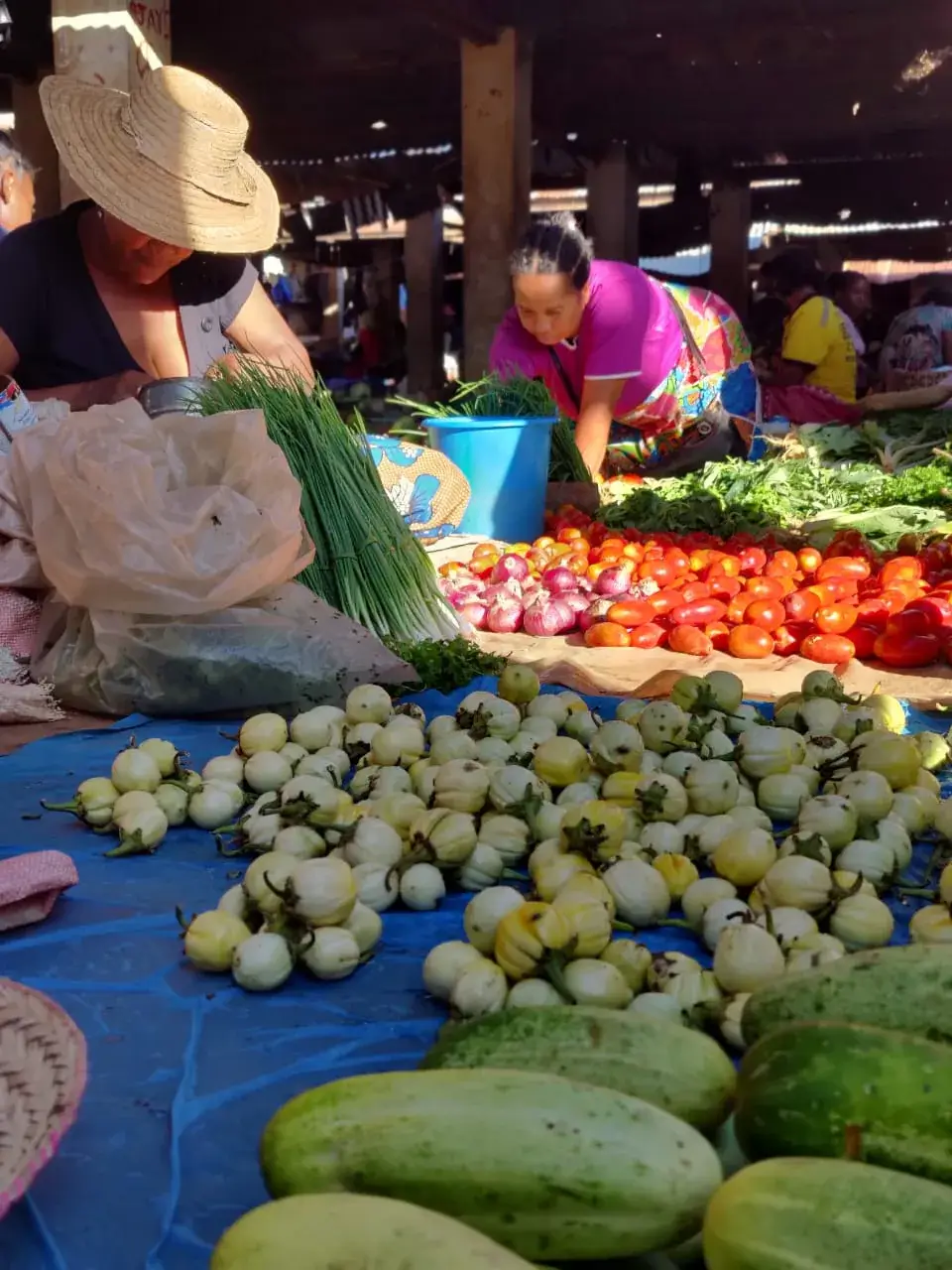
Time a market day deliberately. Antsirabe and Ambalavao both run working markets on fixed days. These aren't craft fairs staged for visitors. Passing through on the right day is one of the easiest ways to see ordinary Malagasy life without intruding on it.
Ask about famadihana season. The Highland reburial ceremony happens in the dry season, roughly June to September, among Merina and Betsileo families. It's never bookable. It happens through a genuine local relationship or not at all — but travelling in that window at least makes it possible.
Plan one evening around music, not scenery. An afternoon with a valiha player in their own home is a different experience entirely from a folkloric show in a hotel lobby. It needs to be arranged in advance, and it needs someone locally who actually knows the musician.
Keep one afternoon genuinely empty. Every good trip here has an unplanned encounter in it. A schedule with no gaps has nowhere to put one.
If you have more than 15 days: what actually combines
The 13-day itinerary above is RN7 only, start to finish. It doesn't touch the north, the west or the east coast, and it shouldn't — adding any of them to a two-week trip means cutting the RN7 stops down to a night each.
If you have 16 days or more, these are the realistic extensions, each treated as a separate block on top of the core route.
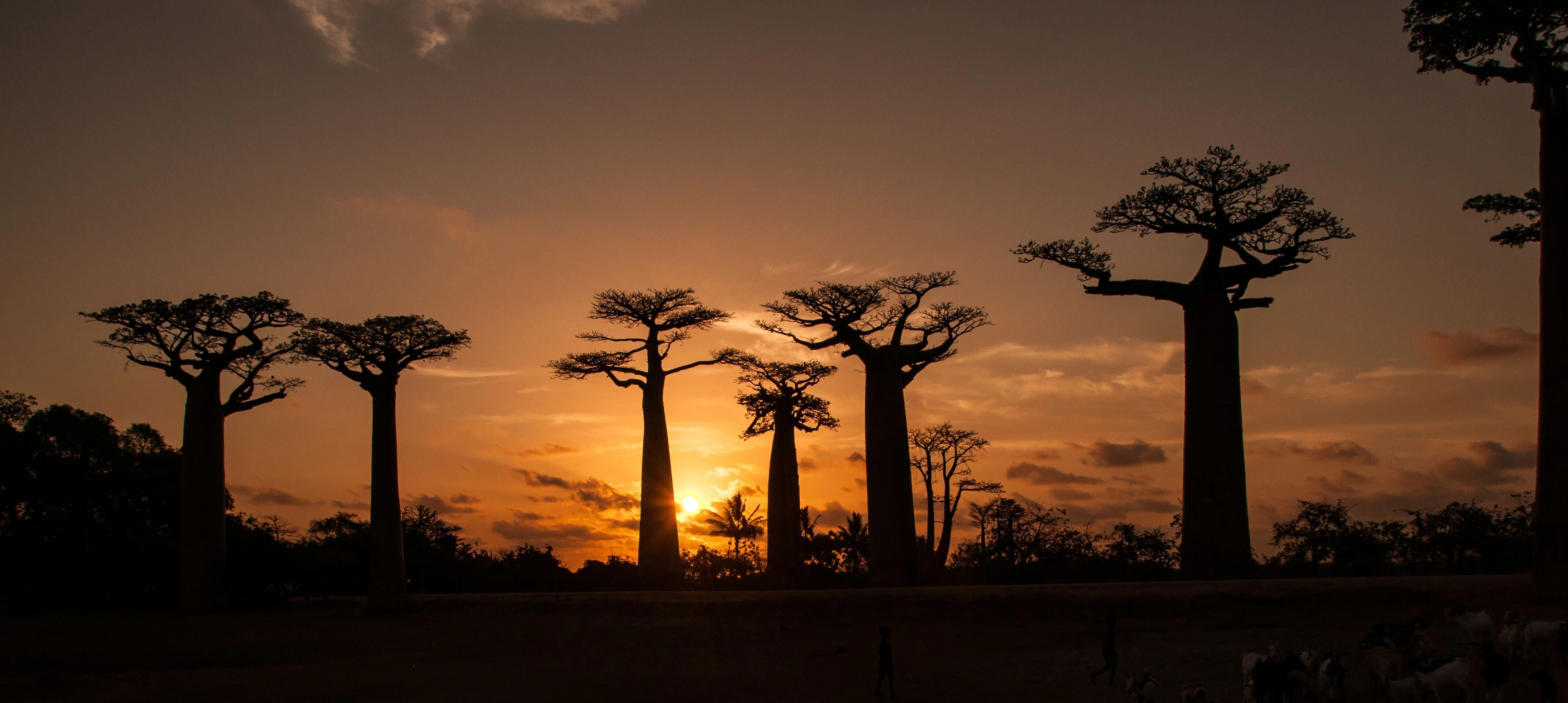
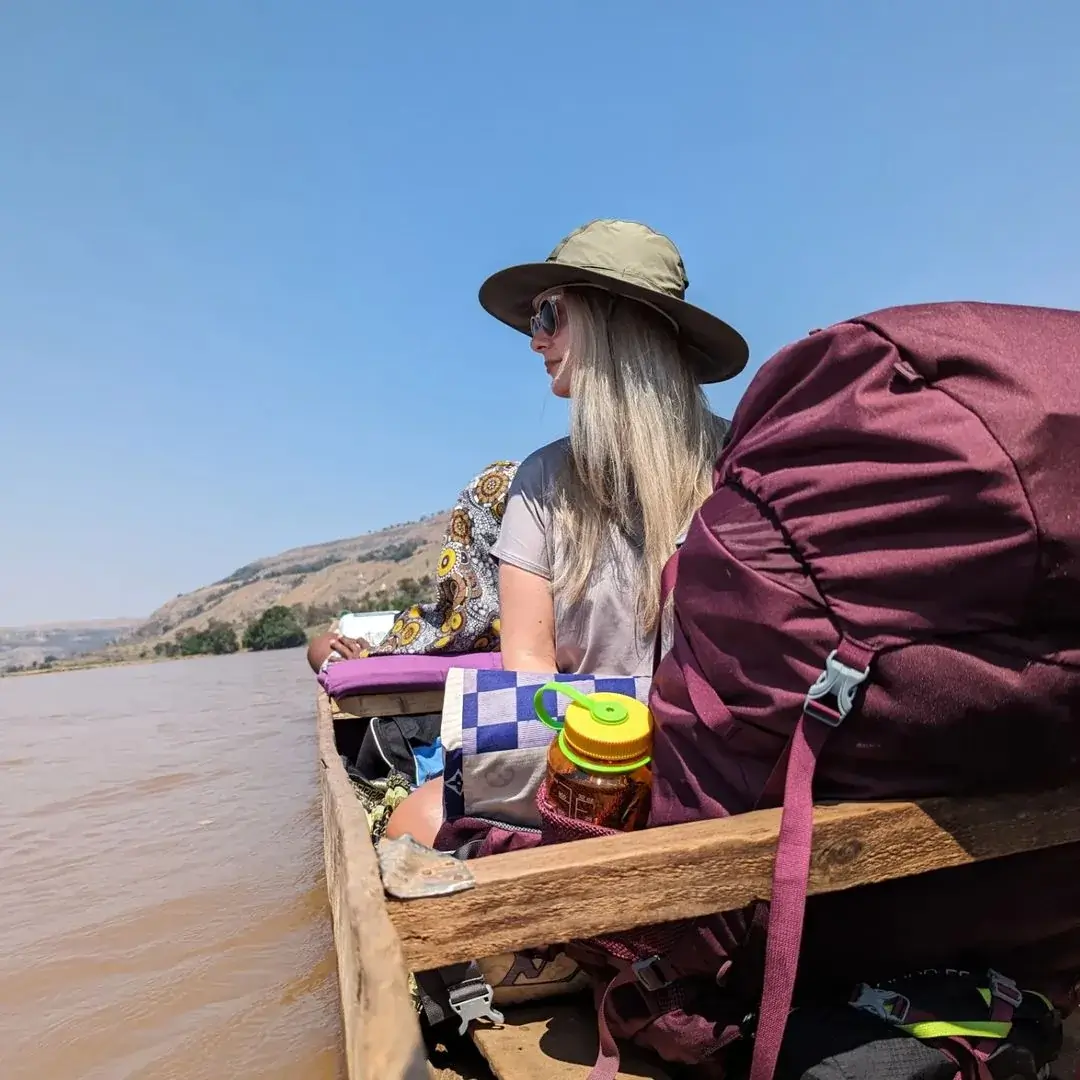
West: baobabs and Tsingy (add 5 to 7 days). Morondava is the base for the Avenue of the Baobabs and the gateway to Tsingy de Bemaraha, the UNESCO-listed limestone pinnacle forest. The road from Morondava to Bekopaka is around 200 kilometres and takes eight to ten hours. The Tsingy is closed during the rainy season, typically from around November to April. A three-day Tsiribihina river descent by traditional barge, starting from Miandrivazo, is the alternative approach and a superb one.
North: Diego Suarez and Nosy Be (add 5 to 8 days). Amber Mountain rainforest, the Ankarana tsingy, the Tsingy Rouge, and Nosy Be for reef diving. Reached by domestic flight from Antananarivo — driving the RN4 north is possible but consumes days.
East: Andasibe and Sainte-Marie (add 3 to 6 days). Andasibe-Mantadia sits roughly 140 kilometres east of the capital, three to four hours by road, and is the most reliable place to see and hear indri, the largest living lemur. Their calls carry over a kilometre. From there, Île Sainte-Marie adds beaches and, between July and September, humpback whale migration.
Park schedules and access conditions change with the seasons, and Madagascar National Parks is the official reference for current opening and fees.
What not to try to combine
Some pairings look natural on a map and are punishing in practice.
The far south and the far north in under two weeks. You'll spend more time in airports than in either region.
Tsingy de Bemaraha in the rainy season. The access road becomes impassable and the park closes. This isn't a matter of determination.
A full RN7 run in eight days. It can technically be driven. It means five to seven hours in the vehicle most days and roughly one hour at each stop.
Masoala or Marojejy as an add-on. These are extraordinary and they are expeditions. They need their own dedicated week, not a spare three days.
Driving back from Toliara to Antananarivo. Two full days retracing the same 950 kilometres, for no gain. Fly.
Practical planning notes
A few things that shape the itinerary before you've even chosen a route.
Season. The dry season runs roughly April to November, and road-based itineraries run reliably in that window. Cyclone season runs November to April, mainly affecting the east and north.
Domestic flights. Schedules can shift. Never book a domestic flight so tight against your international departure that a change leaves you stranded. Build a buffer night in Antananarivo before flying home.
Vehicle. A 4x4 with a driver-guide is the standard arrangement, and on most routes it isn't optional. Self-drive is legal but rarely sensible given road conditions and signage.
Pacing rule of thumb. No more than one long driving day in a row, and at least one full day without a transfer every third day.
Health preparation. Malaria risk exists across most of the country, and medical facilities outside the capital are limited. Insurance with medical evacuation cover matters here more than in most destinations.
Local knowledge. Road conditions, market days and park access change constantly, and the difference between a plan that works and one that unravels is usually someone on the ground who knows the current situation.
Frequently asked questions
How many days do you need in Madagascar?
Ten days on the ground is the realistic minimum, and 13 to 15 is where a Madagascar itinerary stops feeling rushed. Under a week, the transit time outweighs the trip.
Is the RN7 itinerary worth it, or is it too touristy?
It's the most travelled route in the country because it genuinely offers the most variety on one axis. It's also nowhere near crowded by international standards. What varies isn't the road — it's whether your itinerary includes market days, homestays and musicians, or just parks and hotels.
Can I do Madagascar in 7 days?
You can do one region in seven days. You cannot do a country-wide itinerary. Andasibe plus the northern Highlands, or a single fly-in coastal base, are the honest options.
Should I fly or drive between regions?
Drive the RN7 corridor, because the journey is a large part of the experience. Fly for anything that would otherwise mean retracing ground or crossing the country — particularly the Toliara to Antananarivo return.
What's the best month for a Madagascar itinerary?
May to October gives the most reliable road conditions. June to September overlaps with the Highland famadihana window. July to September adds humpback whales off the east coast.
How much does a 13-day trip cost?
Guided trips typically run around 150 to 300 US dollars per person per day depending on group size, season and accommodation standard. International flights are a significant fixed cost on top, given there are no direct routes from the US or UK.
Do I need a guide, or can I travel independently?
Independent travel is possible and some people do it well. But local park guides are mandatory at most reserves, road conditions are demanding, and the cultural access that makes this destination distinctive — homestays, musicians, family ceremonies — runs on relationships rather than bookings.