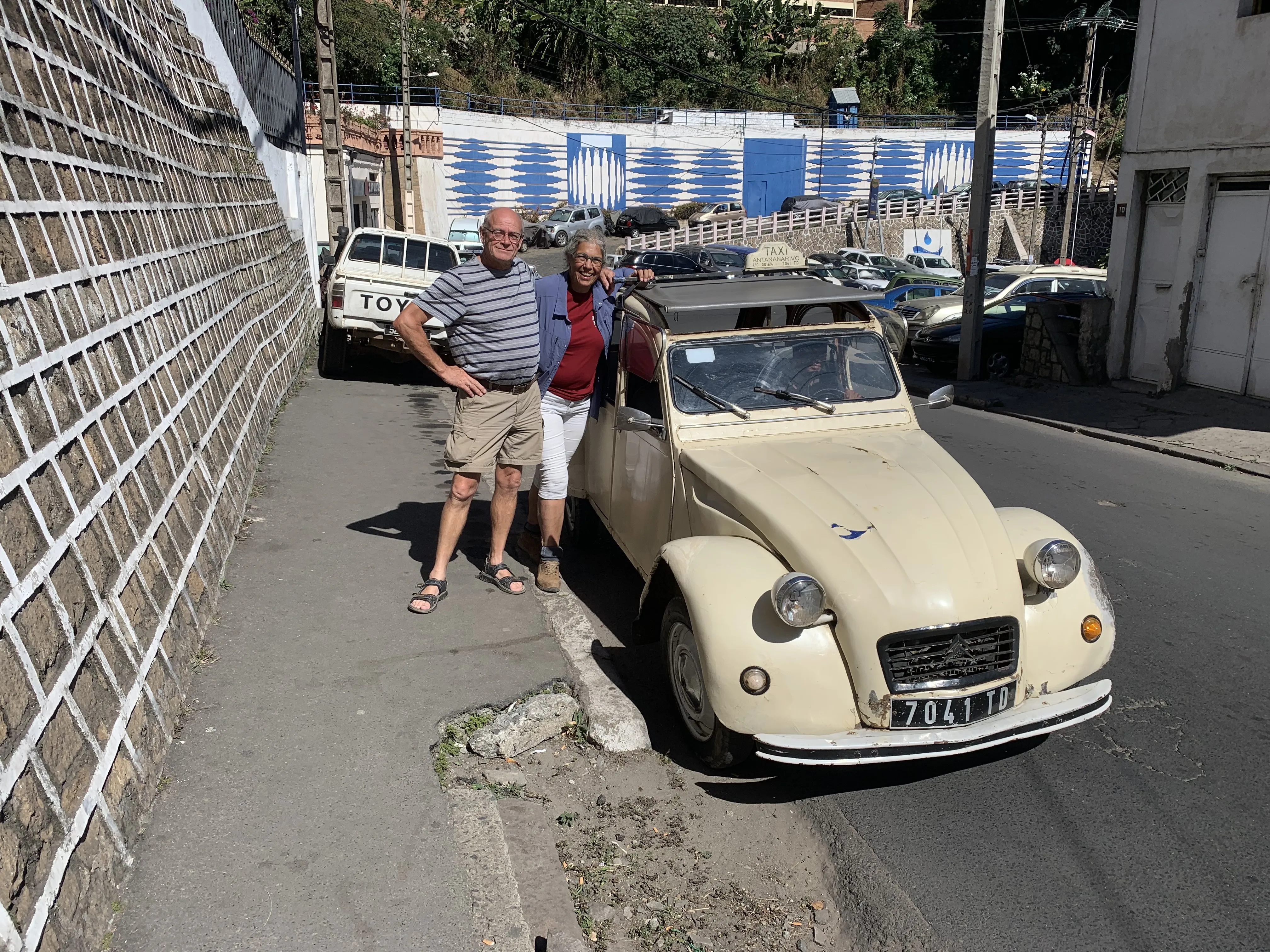
Travellers asking “Is it safe to travel to Madagascar?” are rarely looking for a yes-or-no answer. What they truly want to know is whether they will feel confident, supported, and comfortable throughout their journey. Madagascar is not a conventional destination. It is vast, remote, and still largely untouched by mass tourism, which naturally raises questions before departure.
The truth is that travelling in Madagascar is safe — when the journey is designed with local expertise, realistic timing, and respect for the country’s realities. Safety here is not about policing or restrictions; it is about structure, anticipation, and understanding.
What safety really means when travelling in Madagascar
Madagascar does not present the same type of risks as many large international destinations. Serious incidents involving travellers are uncommon, and the country is generally peaceful, especially in rural and natural areas where most journeys take place. What can create difficulties is not insecurity, but poor planning.
The main challenges travellers encounter are related to long distances, variable road conditions, and itineraries that underestimate travel time. When these elements are ignored, fatigue and stress appear — and that is often misinterpreted as a safety issue.
Understanding Madagascar means accepting that time, distance, and rhythm matter here more than anywhere else.
Why itinerary design is central to safety
In Madagascar, the way a journey is planned directly affects how safe and comfortable it feels. A well-designed itinerary respects daylight hours, avoids unnecessary backtracking, and balances exploration with rest. It does not try to compress the country into an unrealistic number of days.
This is where a tailor-made Madagascar trip becomes essential. Instead of following generic routes, the journey is adapted to real driving conditions, seasons, and traveller profiles. When travel days are logical and well paced, the feeling of safety becomes natural and constant.
The role of local guides in reducing risk
Local guides play a decisive role in making travel smooth and secure in Madagascar. Their value is not limited to driving or explaining sites; it lies in their ability to anticipate.
A private Madagascar tour with a local guide allows travellers to move through the country with confidence because someone is constantly adjusting the journey to real conditions. This includes reading the road, adapting departure times, and handling logistics discreetly in the background.
From a safety perspective, local guidance eliminates most uncertainties before they even arise.
Common concerns travellers have — and the reality on the ground
Many travellers arrive with concerns shaped by online forums or outdated information. In practice, what they experience is very different. The most frequent observations shared after a few days in the country are:
a strong sense of hospitality and curiosity from local communities
a calm atmosphere outside major urban centres
a feeling of being welcomed rather than scrutinised
These elements contribute significantly to the overall perception of safety. Feeling safe is not only about avoiding risk; it is also about feeling comfortable in human interactions.
Cultural understanding as a safety factor
Cultural awareness is an often-overlooked aspect of safety in Madagascar. Malagasy society values respect, patience, and discretion. Travellers who understand local codes — or who are accompanied by someone who does — navigate situations more smoothly and avoid misunderstandings.
This cultural dimension is at the heart of immersive travel in Madagascar. When travellers feel culturally at ease, their sense of safety increases naturally, without effort or tension.
Why slow travel matters for safety and comfort
Slow travel is not a lifestyle trend in Madagascar; it is a practical necessity. Moving at a slower pace allows travellers to stay present, reduce fatigue, and adapt to unforeseen changes such as weather or road conditions.
From a safety standpoint, slow travel Madagascar reduces unnecessary exposure to risk by avoiding night driving, rushed schedules, and physical exhaustion. It creates journeys that are not only safer, but also richer and more meaningful.
So, is Madagascar safe to travel?
Yes — when it is travelled with intention, structure, and local expertise.
Madagascar is not a destination for improvised routes or rushed itineraries. It rewards travellers who choose thoughtful planning and authentic guidance. When these elements are in place, safety is no longer a concern — it becomes a natural part of the experience.
A final word from Cannel’s Tour
At Cannel’s Tour, we believe that safety comes from understanding, not control. Every journey we design is grounded in realism, local knowledge, and respect for the country’s rhythm.
When Madagascar is travelled properly, it is not only safe — it is one of the most genuine and rewarding travel experiences available today.