In Madagascar, we usually say that there are two seasons:
the dry season, when everyone travels, and the rainy season, when roads become difficult, some national parks close, and many people assume that it is simply “not the right time”.
On paper, it seems simple.
When it rains, you should not travel. When it is dry, you should.
And yet… reality is far more subtle than that.
Because Madagascar is not a destination you consume.
It is a land you experience, you feel, you adapt to. And both seasons — the dry and the green — carry their own magic, challenges, beauty, and opportunities.
After years of exploring Madagascar across all seasons, designing hundreds of tailor-made Madagascar trips, and living the island daily, I can say this with absolute certainty:
👉 There is no bad season to visit Madagascar. There are only poorly designed itineraries.
High Season, Low Season… and the Reality on the Ground
In general, Madagascar follows a simple seasonal pattern.
From May to October, the climate is dry, roads are in good condition, and all national parks are open. This is considered the high travel season, when most travelers come.
From November to April, the island enters its green season. Rain nourishes forests, rivers swell, landscapes become intensely lush, but some remote roads become muddy, and certain parks — mainly in the far west — may temporarily close.
This is where most travel guides stop.
But this simplified vision completely misses what truly matters:
how Madagascar feels during these seasons.
Because Madagascar does not simply change color.
It changes energy, rhythm, atmosphere, and emotional texture.
The Dry Season: When Madagascar Opens Its Doors Wide
During the dry season, Madagascar becomes incredibly accessible.
Road journeys are smoother, national parks are fully open, wildlife observation is easier, and the overall travel flow is more predictable.
This is the ideal time for classic discovery itineraries:
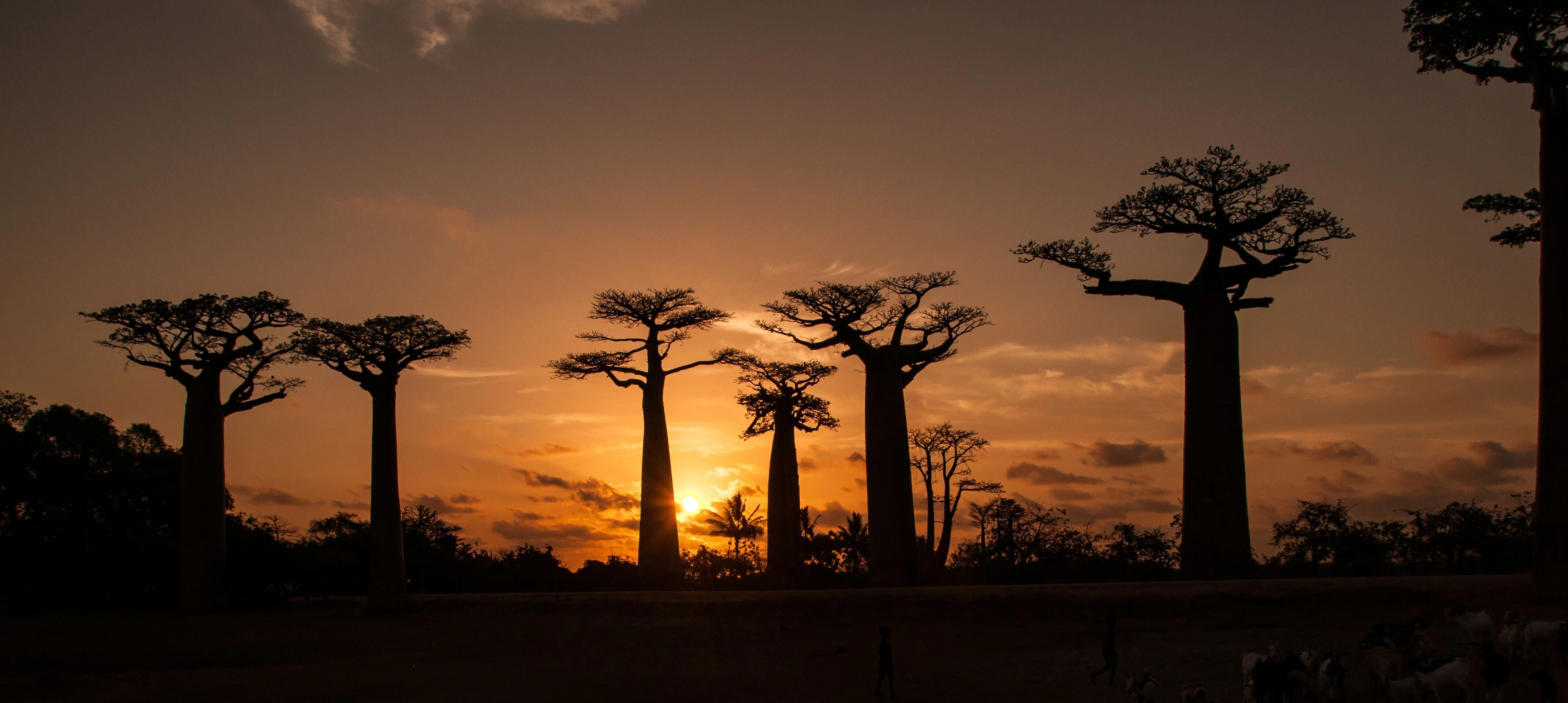
exploring rainforests, hiking in dramatic national parks, crossing the legendary RN7, discovering baobab landscapes, or reaching remote regions like the Tsingy de Bemaraha.
But beyond comfort and logistics, the dry season offers something very precious: clarity.
Clear skies, crisp mornings, golden sunsets, long days — everything seems sharper, brighter, more photogenic. It is the season of big horizons, long road trips, and spectacular contrasts.
Yet, it is also the moment when Madagascar becomes more visited. Not crowded — mass tourism barely exists here — but undeniably more active.
For first-time visitors, families, honeymooners, and travelers seeking comfort, safety, and smooth logistics, this period is often ideal. It allows for deep exploration without physical fatigue, stress, or uncertainty.
The Green Season: When Madagascar Reveals Its Soul
And then comes the green season.
This is when Madagascar transforms into something else entirely.
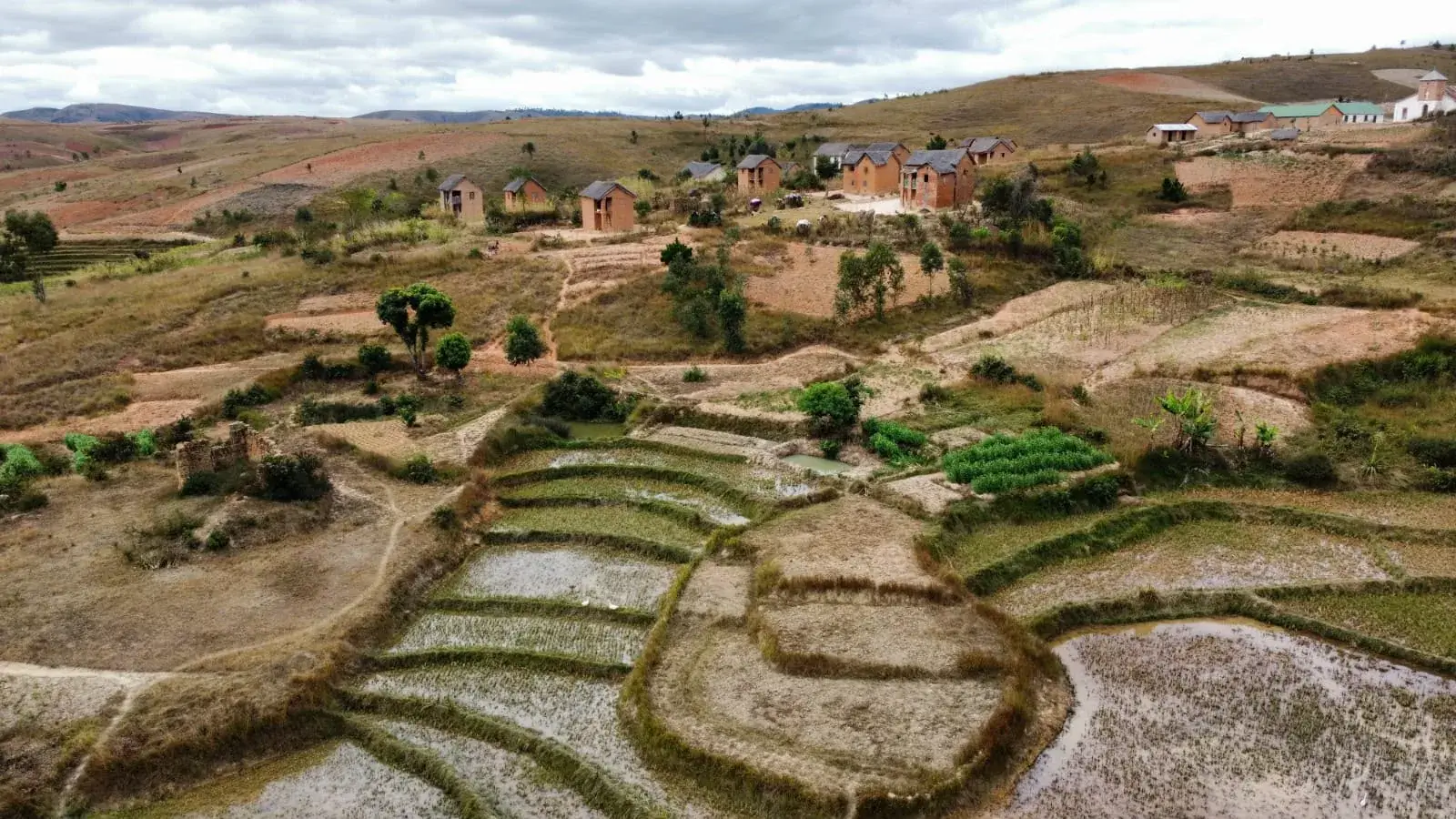
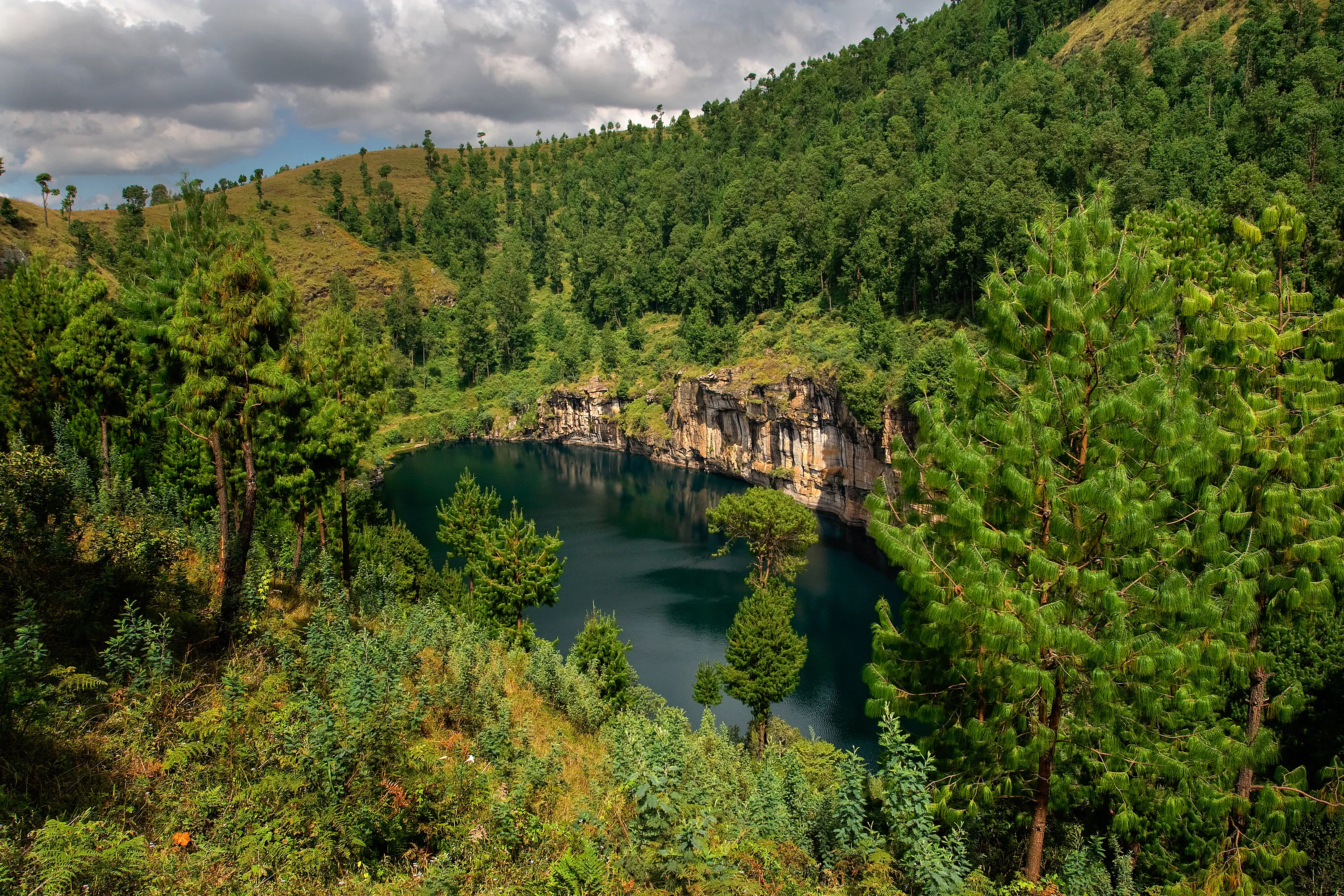
Forests explode into fifty shades of green.
Waterfalls reappear.
Rice fields fill.
Birdsong becomes omnipresent.
Nature breathes deeply.
Yes, some roads become difficult. Yes, a few remote parks close temporarily. But what you gain in exchange is something profoundly rare in today’s travel world: intimacy.
During the green season, Madagascar slows down.
Villages become quieter.
Landscapes become dramatic.
Encounters become deeper.
This is when you stop traveling through Madagascar — and start traveling with Madagascar.
For travelers drawn to slow travel Madagascar, immersive experiences, photography, culture, and human connection, this season can be emotionally powerful. You witness daily life unfolding without filters. You feel the pulse of the island. You understand its rhythm.
It is not always comfortable.
But it is deeply real.
Two Seasons, Two Types of Magic
If I had to summarize it simply:
The dry season shows you Madagascar’s beauty.
The green season lets you feel Madagascar’s soul.
One is about discovery, clarity, movement.
The other is about immersion, emotion, and connection.
Neither is better.
They are simply different stories.
And your journey becomes extraordinary when the story matches who you are.
Why Tailor-Made Travel Changes Everything in Madagascar
Madagascar is not a country where fixed itineraries work.
Weather, road conditions, wildlife cycles, and regional climates demand constant adaptation.
That is why tailor-made Madagascar trips are not a luxury here — they are a necessity.
By carefully designing routes according to the season, selecting regions that remain accessible, balancing travel time, and integrating meaningful experiences, it becomes possible to create exceptional journeys all year round.
A trip designed for September will never resemble one designed for February.
And that is exactly the beauty of it.
Each season opens different doors.
So… When Is the Best Time to Visit Madagascar?
The real answer is not found on a calendar.
The best time to visit Madagascar is when your travel dreams meet the island’s rhythm.
If you dream of :
epic landscapes and perfect road trips → dry season
lush nature and deep immersion → green season
wildlife encounters → dry season
emotional connection and authenticity → green season
smooth family travel → dry season
slow, soulful journeys → green season
There is always a perfect moment waiting for you.
My Personal View, After Years on the Road
After years of traveling Madagascar in every possible condition — as a guide, as a travel designer, as a mother, and simply as a woman deeply connected to this land — I no longer ask:
“When is the best time to visit Madagascar?”
I ask instead:
👉 How do you want to feel during your journey?
Because travel is not about ticking destinations.
It is about emotions, memories, connections, and transformation.
And Madagascar, when experienced at the right rhythm, gives all of that — in any season.
About Cannel’s Tour Madagascar
Cannel’s Tour Madagascar was born from a simple desire:
to show travelers the real Madagascar — beyond postcards, beyond clichés, beyond rushed itineraries.
We design tailor-made Madagascar trips, immersive journeys and private tours with local guides, focusing on authenticity, slow travel, cultural connection and emotional depth.
Every journey we create is unique, shaped by your dreams and by the natural rhythm of the island.
Because in Madagascar, the most beautiful experiences happen when you stop rushing — and start feeling.